Digitalization and additive technologies in production
SCHMEES is excellently positioned within the SME sector. With many clever, innovative minds, we offer the best conditions for digitalized design and production. Now more than ever, it is vital to seize the opportunities presented by digital transformation.
Digitalization as a Foundation
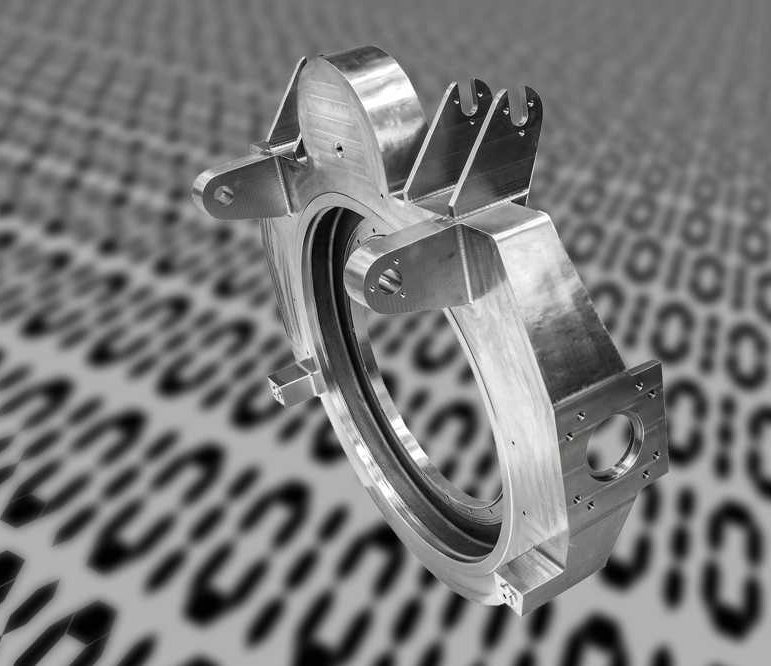
Digital and additive technologies are the prerequisite for delivering spare parts, micro-series, and small series „just-in-time.“ However, it is only the combination of conventional and additive processes that makes it possible to overcome the limits and restrictions of purely additive production, such as direct 3D metal printing.
Our motivation is to support system providers in fulfilling their orders across a wide variety of sectors with our first-class products.
Digitalization and basic evaluation
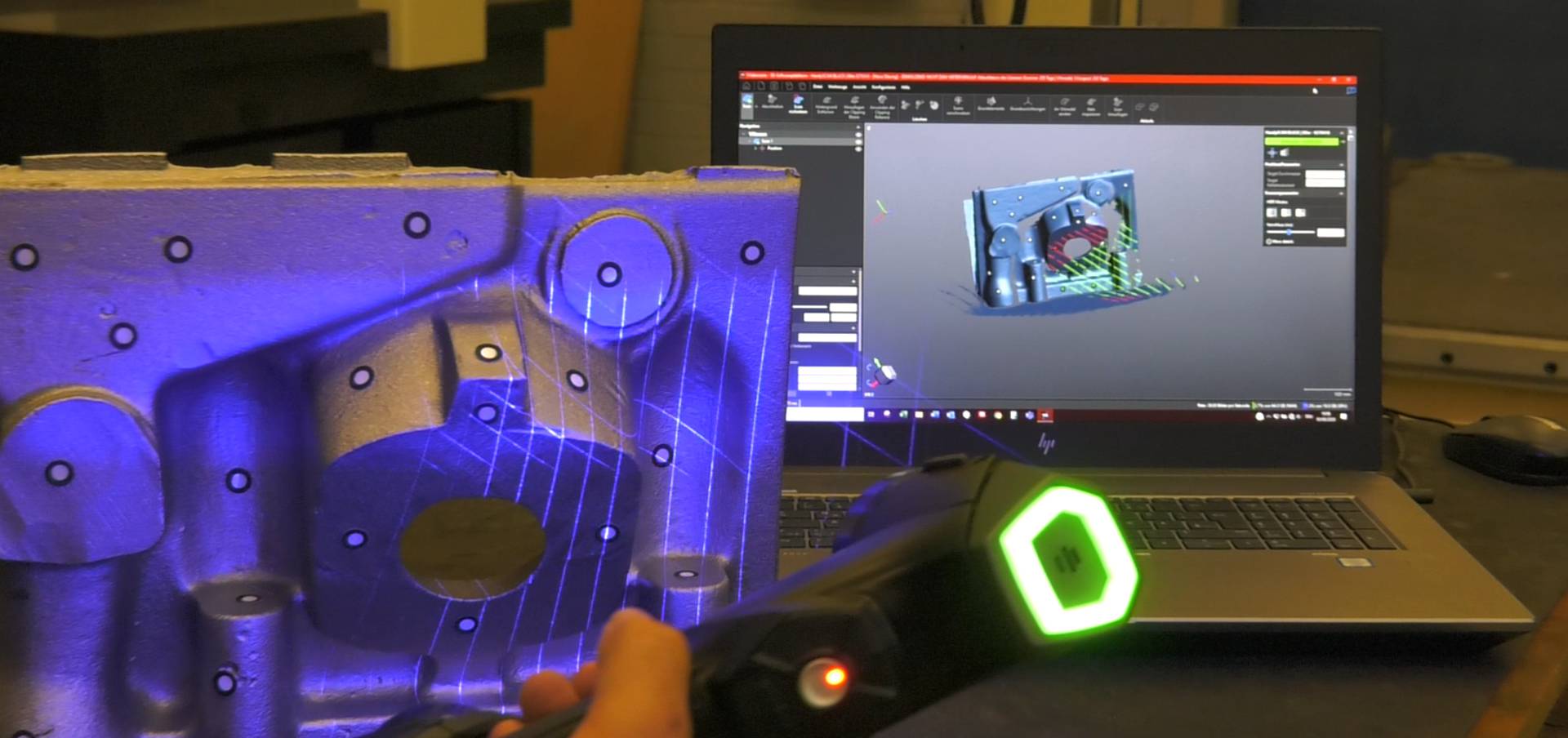
We adopt and optimize digital design data and, if required, provide engineering and project management services. For this purpose, we create 3D CAD designs based on 2D drawings. If drawings for existing components are no longer available, the geometries are captured via laser scanning and constructed as a base model through digital post-processing.
Selection of suitable processes
Various component properties are analyzed as early as the design phase. Depending on the requirements and objectives, the components‘ topology is optimized according to their operational loads, and different manufacturing processes are simulated. We also investigate the substitution of geometries that previously could only be produced with great effort as forged or welded constructions. The resulting products are significantly more precise and cost-effective and are available for use more quickly.
Model making, molds, and cores
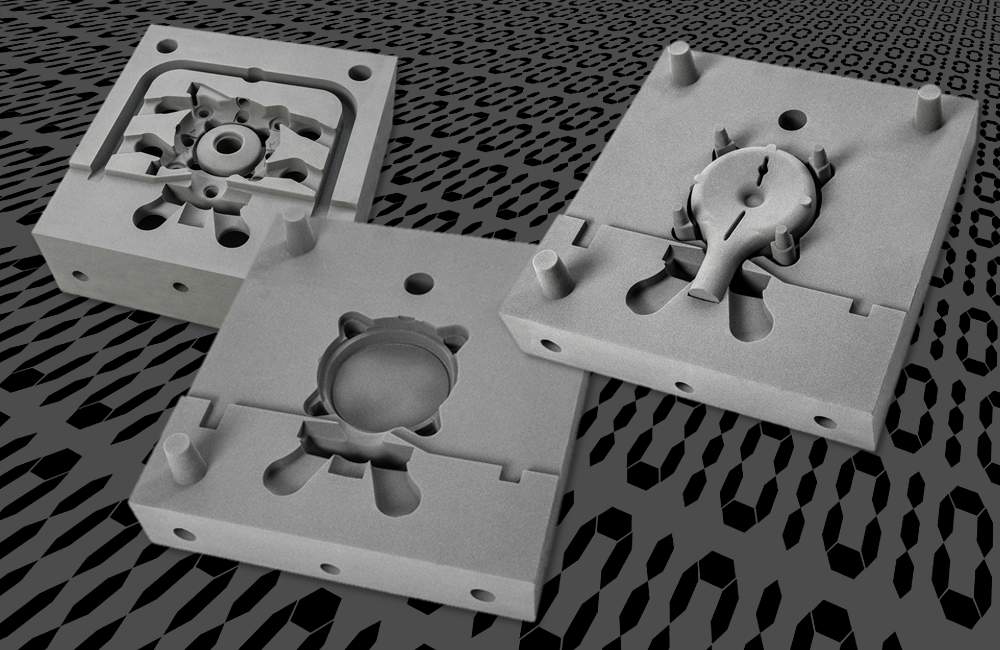
3D printing allows even complex sand molds and cores to be printed in a short amount of time. In addition to reduced production times, design freedom is also far less restricted than with conventional manufacturing. PMMA models from the 3D printer are suitable for investment casting. The wax models are highly precise, as they are printed exactly according to the 3D data. For castings up to 6,000 kg, we print sand molds based on the binder jetting process.
For complicated geometries with undercuts, we use a combination of conventionally manufactured molds and 3D-printed cores. Starting from the original geometry, we already consider the optimal combination of digital and conventional processes during the planning phase.
Additive Verfahren im Formenbau:
- Polystyrene models (selective laser sintering) -> investment casting
- PMMA models (binder jetting) -> investment casting with finer surfaces
- Printed sand molds (binder jetting sand) -> sand casting
Reverse Engineering
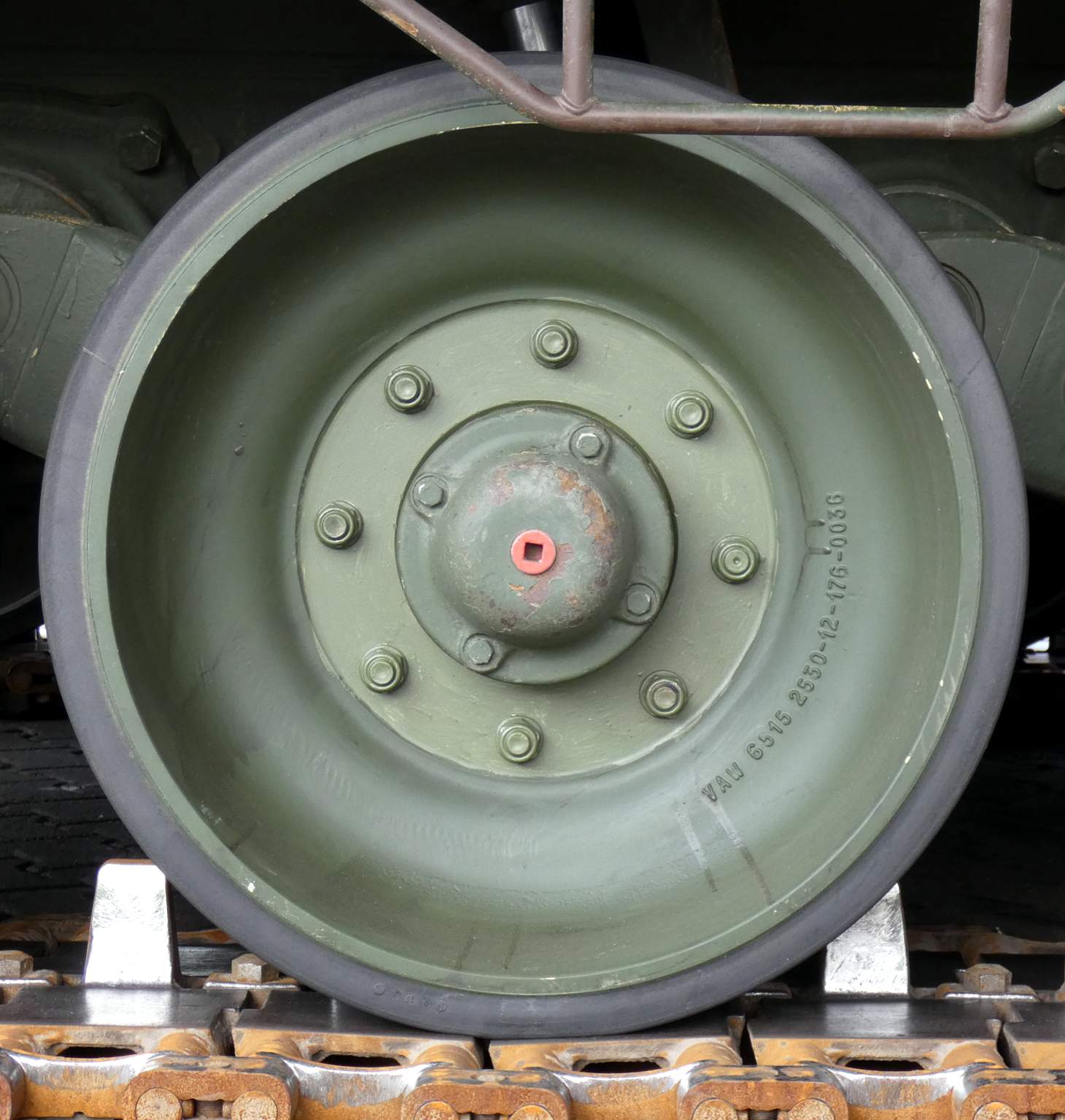
Old components used in vehicles or machinery require more frequent maintenance and repair. Additionally, the availability of spare parts is becoming increasingly problematic. To overcome these challenges, reverse engineering in combination with additive manufacturing has become firmly established.
Copying spare parts
In reverse engineering, the existing component is comprehensively analyzed and its parameters, such as size, material, and surface, are determined. The component is digitized, and a CAD model is generated via surface reconstruction. Using digital technologies, this dataset allows for the 1:1 production of the identical component using the original process.
In the further course of action, all necessary process steps can be carried out, resulting in a copy of the component in its original design with the underlying properties. By qualifying the manufacturer, an alternative production line can thus be established.
Retrofitting
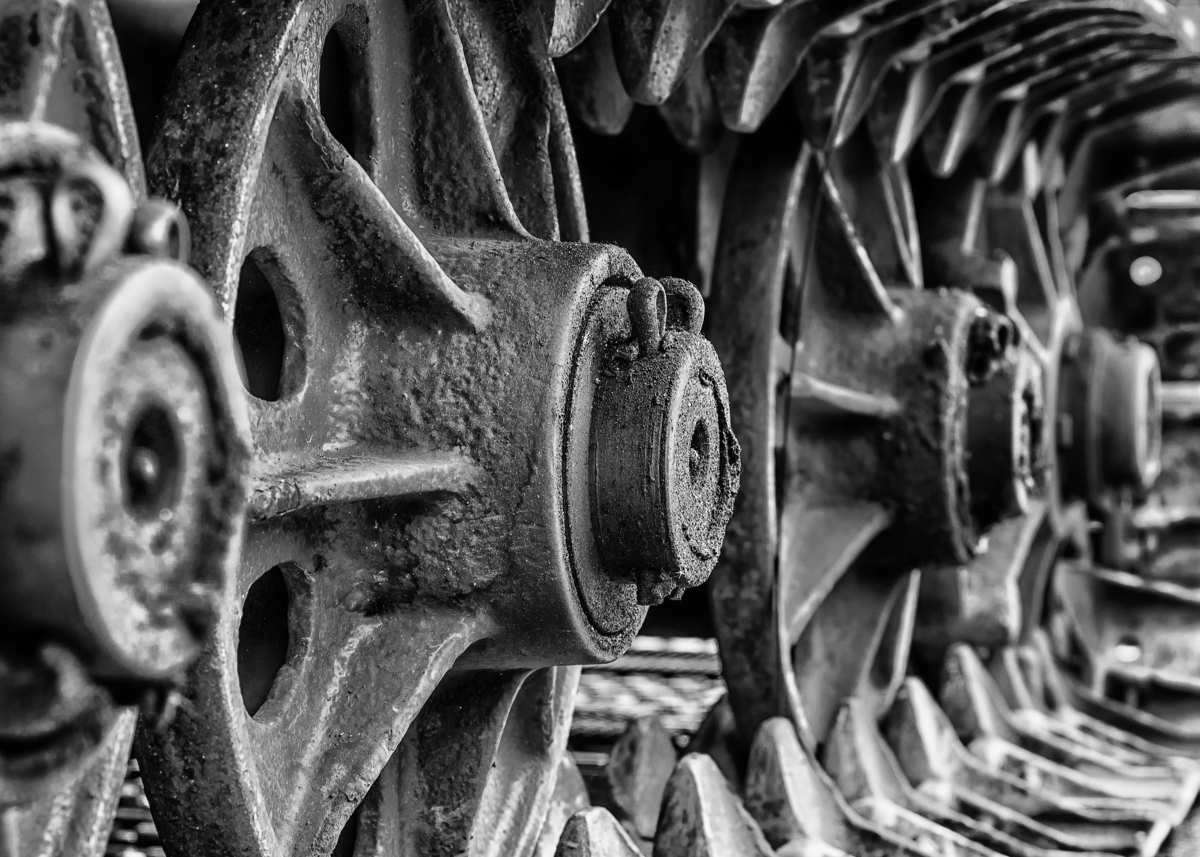
Retrofit describes the modernization and optimization of existing components. This process offers many advantages over simply replacing a part with an identical one. In many cases, efficiency and service life can be increased, or modified parts can be used to meet updated legal requirements. Here, too, the foundation is a digital twin of the component in question.
Identical component – improved properties
An FEM calculation is performed using the digital data to determine the load cases that the design must withstand. Based on these findings, an optimized design can be developed using further digital tools, such as topology optimization software.
This process also allows for the consideration of alternative materials. Here, SCHMEES offers the advantage of combining classic steel casting with modern production methods. Ultimately, this results in a spare part that is more efficient, capable of withstanding higher load cases, and thus achieves better performance than the original component.
Process substitution
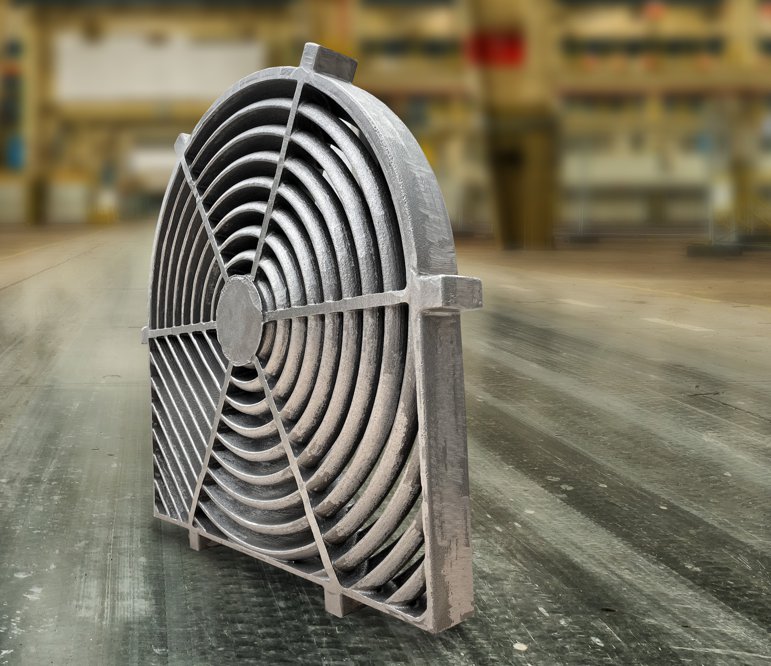
Substitution—the conversion of forged and welded constructions into a single casting—offers many advantages in terms of service life and durability. By substituting welded constructions with homogeneously designed cast structures, component weaknesses at the weld seams can often be avoided.
The spectrum ranges from individual components to entire assemblies; for example, armored ventilation grilles, vehicle hull components, turret parts, or turbine components are manufactured with precision and the highest quality standards.
Strategies against obsolescence
Unavailable spare parts are a major issue in the field of defense technology. The causes for this are extremely diverse and are naturally rooted in the long service lives of the systems. Within the framework of digitalization, it is already possible today to transfer existing components and designs from the analog to the digital world.
In the military sector, we can leverage our strengths when it comes to the issue of obsolescence. For 1:1 copies of obsolete components, we utilize reverse engineering methods; for further development and enhancement, we apply retrofitting.